/filters:format(jpeg,png)/fit-in/300x300/users/6da1fb4c-e2ed-474a-a196-10e9265f2141/company-logo/1733867889161403628078_307819252157970_1803966772626864646_n.jpg.webp)
/filters:format(jpeg,png)/fit-in/237x80/users/6da1fb4c-e2ed-474a-a196-10e9265f2141/company-logo/1733867889161403628078_307819252157970_1803966772626864646_n.jpg.webp)
PADI Open Water Diver Course: Expert Offshore Training
- Published Date: June 30, 2025
- Fishing
- Corpus Christi International Airport, 1000 International Dr, Corpus Christi, TX 78404, United States
- $10 - $1,000 price range
Summary
%2F%2Fusers%2F6da1fb4c-e2ed-474a-a196-10e9265f2141%2Fratecard%2Fscreenshot2025-06-10165013-mbqg46hk.png&w=1200&q=75)
Beneath the Surface

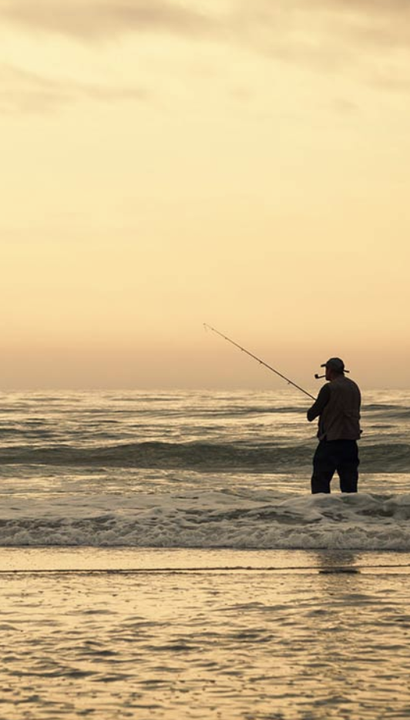
Rain or shine, Florida City's waters beckon for epic water sports adventures!

Tarpon on the line in Florida's partly cloudy skies!

Partly cloudy with a chance of epic water sports action in Florida City!

Partly cloudy skies set the stage for epic water sports adventures in Florida City!
Clear skies and afternoon showers set the stage for prime fishing in Florida City!
Braving the rain for the best fishing Florida City has to offer!
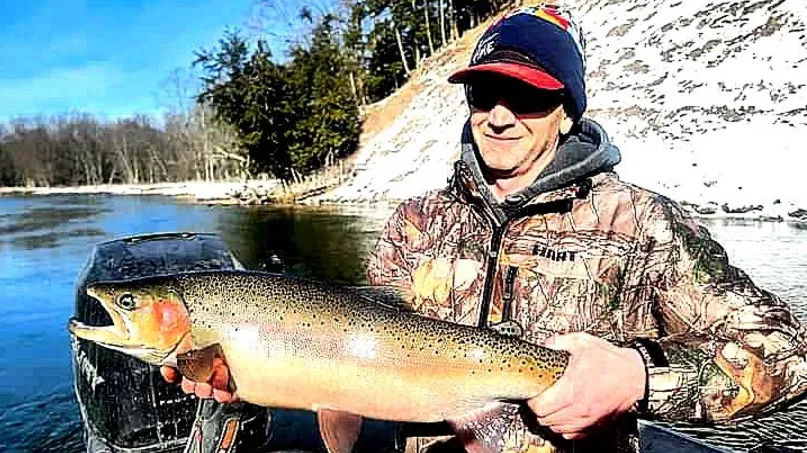
A single rainbow trout caught while fishing in Florida City
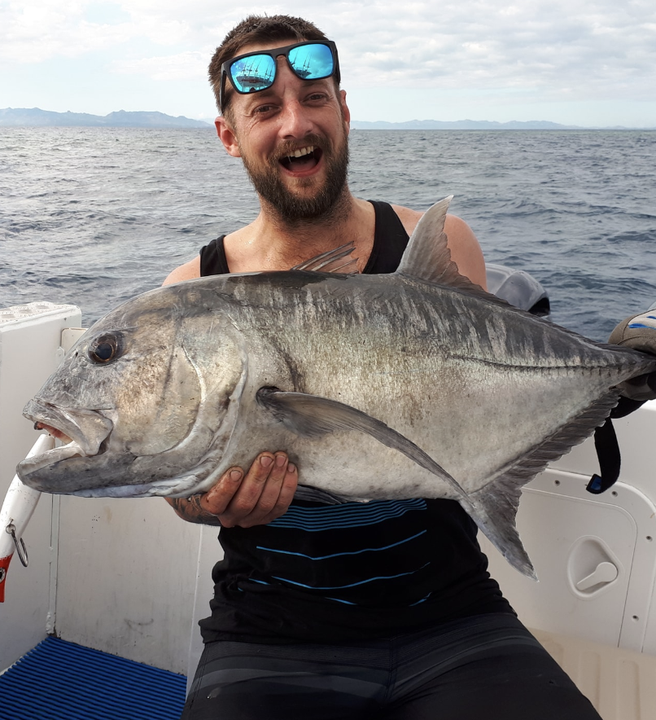
Reeling in a big catch on a cloudy day in Florida City!
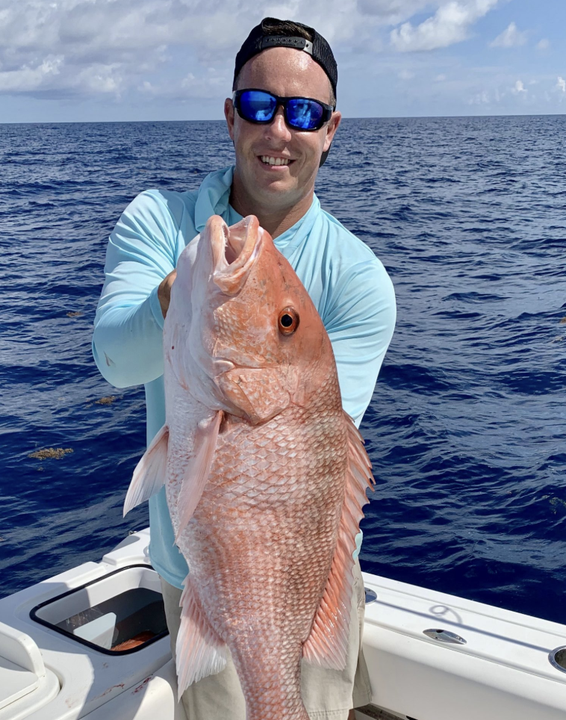
Reeling in a big Red Snapper under partly cloudy skies!
Braving the rain for the best fishing adventure in Florida!
Rain or shine, Florida City's waters beckon for epic water sports adventures!
Tarpon on the line in Florida's partly cloudy skies!
Partly cloudy with a chance of epic water sports action in Florida City!
Partly cloudy skies set the stage for epic water sports adventures in Florida City!
Clear skies and afternoon showers set the stage for prime fishing in Florida City!
Braving the rain for the best fishing Florida City has to offer!
A single rainbow trout caught while fishing in Florida City
Reeling in a big catch on a cloudy day in Florida City!
Reeling in a big Red Snapper under partly cloudy skies!
Braving the rain for the best fishing adventure in Florida!
Rain or shine, Florida City's waters beckon for epic water sports adventures!
Tarpon on the line in Florida's partly cloudy skies!
Partly cloudy with a chance of epic water sports action in Florida City!
Partly cloudy skies set the stage for epic water sports adventures in Florida City!

Master Scuba Skills: PADI Open Water Course
Ready to dive into the world of scuba? Our PADI Open Water Diver Course is your ticket to underwater adventure. Over five action-packed days, you'll go from newbie to certified diver, mastering essential skills both in the pool and open water. This isn't just a course—it's your gateway to exploring the ocean's wonders. With small group sizes and hands-on instruction, you'll build confidence and make some cool new dive buddies along the way.
Course Rundown
We kick things off with two full days of pool training, where you'll get comfy with your gear and nail down the basics. Then it's time to hit the open water for four real-deal dives spread across two days. Day one in the ocean, we'll tackle your first two certification dives, focusing on putting those pool skills to work in a natural environment. On the final day, you'll complete dives three and four, pushing your limits and experiencing the thrill of exploring underwater ecosystems. By the time you surface from that last dive, you'll be a certified PADI Open Water Diver, ready to explore dive sites around the globe.
Dive Gear & Safety Brief
We provide top-notch scuba gear for your course, but feel free to bring your own mask, fins, and wetsuit if you've got 'em. You'll learn to set up your BCD (Buoyancy Compensator Device), regulators, and tanks like a pro. Safety is our top priority, so we'll drill you on hand signals, buddy checks, and emergency procedures until they're second nature. Don't worry if you're feeling a bit nervous—that's totally normal. Our experienced instructors will be right there with you, keeping a close eye on everyone and making sure you're comfortable every step (or fin kick) of the way.
Diver Feedback
"Great trip" - soundarya
Marine Life Spotlight
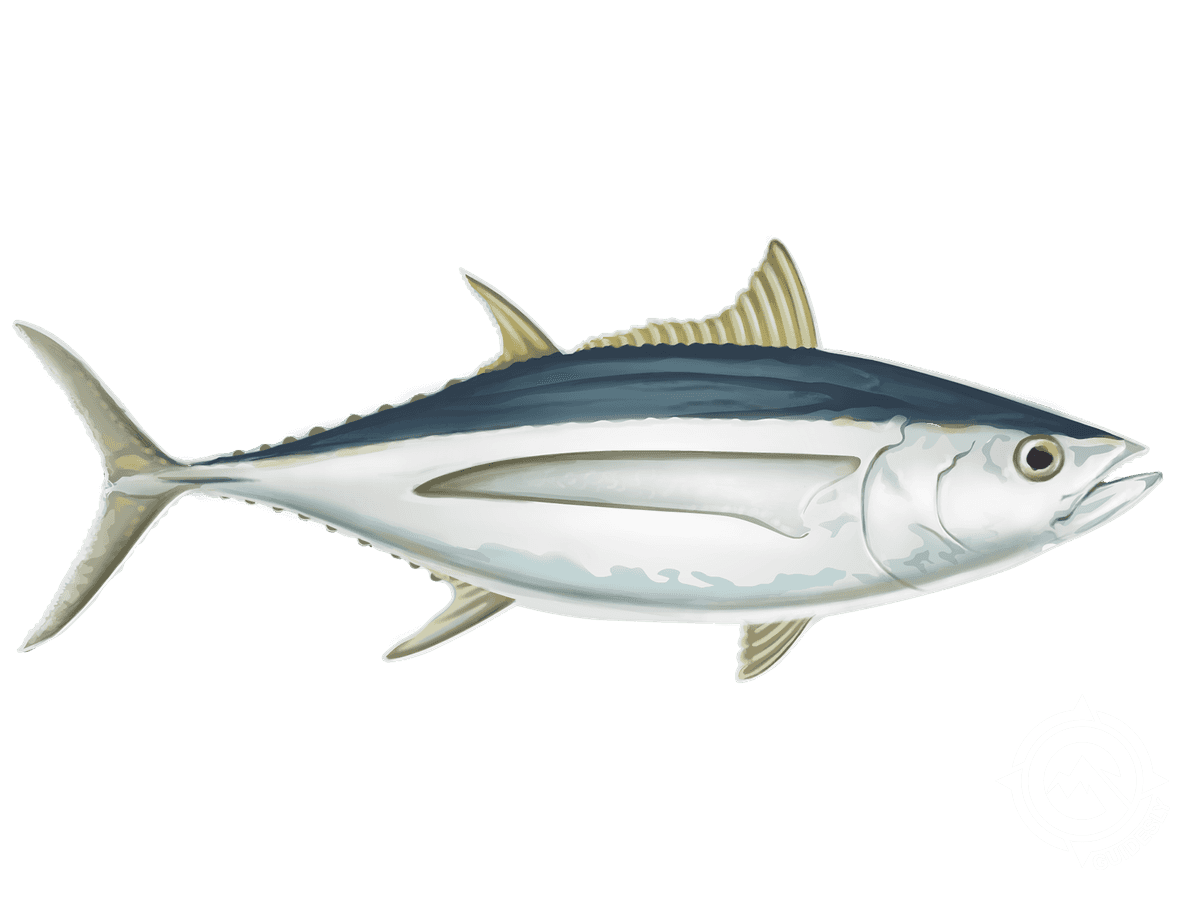
While this course focuses on skill-building, you'll still get a taste of the incredible marine life waiting for you on future dives. Keep your eyes peeled for Albacore Tuna, speedy predators known for their long pectoral fins and streamlined bodies. These guys can grow up to 4 feet long and are a favorite among sport fishermen for their fighting spirit. Best time to spot them? Late summer to early fall when they're chasing baitfish near the surface.
Another cool fish you might encounter is the African Pompano. These silvery, disk-shaped fish are a sight to behold with their long, flowing dorsal fin rays. They're often found hanging around reefs and wrecks, using their flattened bodies to maneuver in tight spaces. Divers love them for their curious nature—they might just come in for a closer look at you!
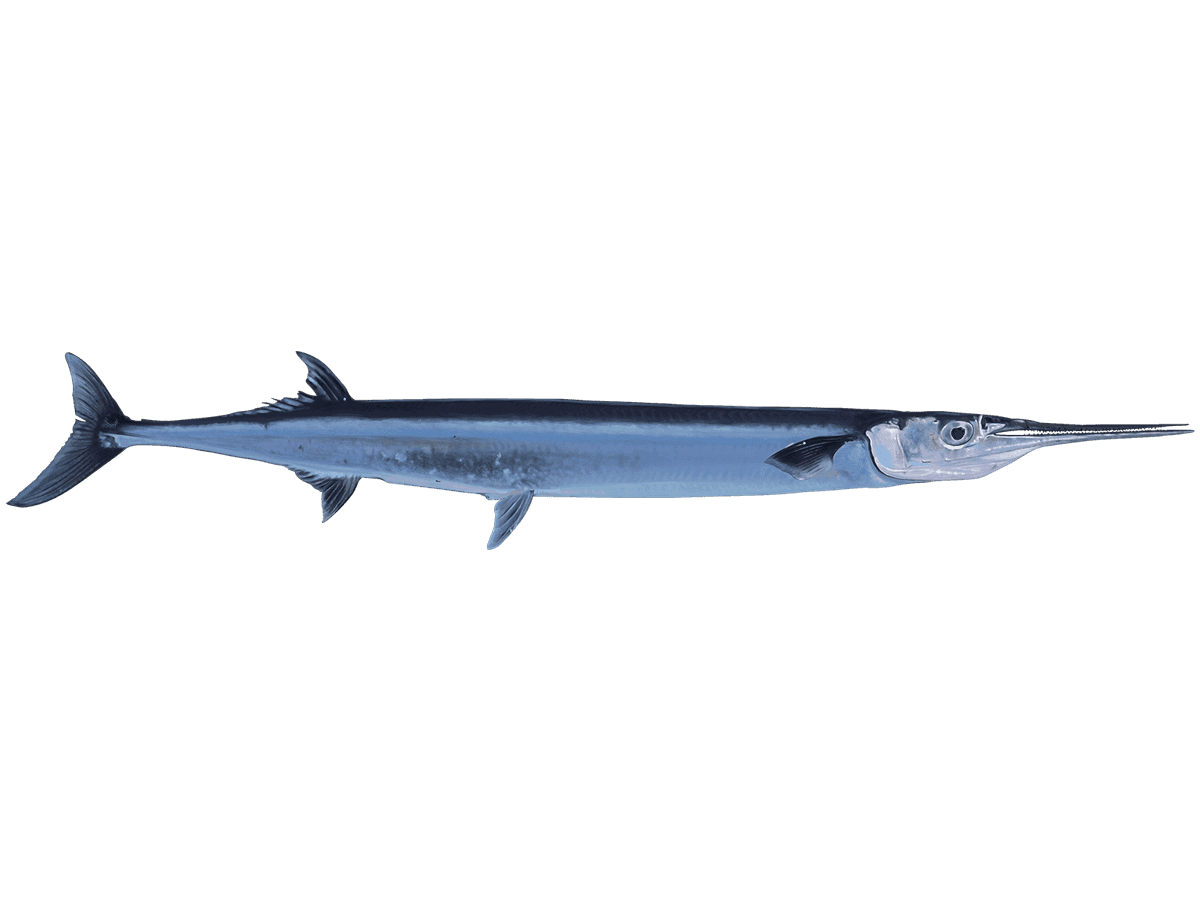
Last but not least, watch out for the Agujon Needlefish. These slender, torpedo-shaped fish are masters of camouflage, often hanging motionless near the surface to ambush prey. With their long, beak-like jaws full of sharp teeth, they're a reminder of the ocean's amazing diversity. While they're typically shy around divers, spotting one is always a thrill.
Ready to Take the Plunge?
Becoming a certified diver opens up a whole new world of adventure. Whether you're dreaming of exploring colorful coral reefs, swimming with sea turtles, or diving into the blue to spot pelagic species, this course is your first step. Our PADI Open Water Diver Course isn't just about ticking a box—it's about building skills, confidence, and a lifelong passion for the underwater world. Spots fill up fast, especially for our small-group courses, so don't wait to book. Grab your spot now and get ready for an experience that'll change the way you see the ocean forever. Let's dive in!
Customer Review
Unforgettable Journey

soundarya s
June 10, 2025
Learn more about the species
African Pompano
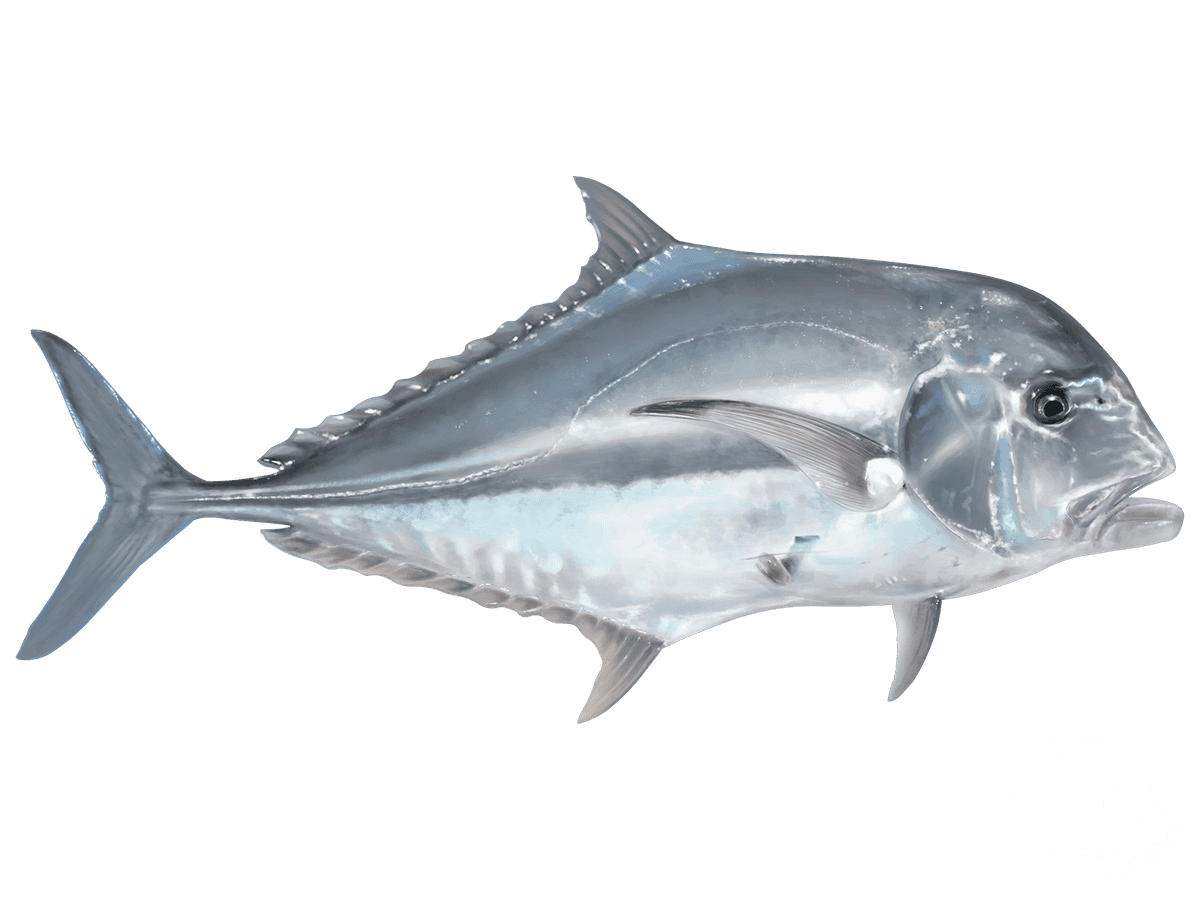
African Pompano are sleek, silvery fish that pack a serious punch for their size. Adults typically range from 10-30 pounds and hang out in deeper offshore waters, usually 30-250 feet down. You'll find them near reefs, wrecks, and other structure. These fish are part of the jack family, so they're built for speed and endurance. When hooked, they'll give you a real workout with powerful runs and acrobatic jumps. We target them year-round, but spring and fall often see the best action. Folks love chasing African Pompano for their aggressive strikes and delicious, firm white meat. They're not picky eaters – live bait, jigs, and even flashy lures will do the trick. Here's a local tip: when you spot them on the fish finder, drop a butterfly jig and work it erratically. The flash and movement drive them crazy. Just be ready to hold on tight when they hit!
Agujon Needlefish
Agujon Needlefish are sleek, torpedo-shaped predators you'll spot near the surface. These silver-blue fish grow up to 5 feet long, but most we catch are around 3 feet. They're fast and aggressive, often seen in schools hunting small fish and zooplankton. Look for them in shallow waters near reefs or in open ocean. They're year-round targets, but warmer months tend to be more active. Agujon put up a scrappy fight, leaping and thrashing when hooked. Their long, toothy beaks make for a unique catch, but watch those teeth! While you can eat them, most folks opt for catch-and-release due to their green-tinged meat. If you're after one, try shiny spoons or jerkbaits like Yo-Zuri Crystal Minnows. Here's a pro tip: when you feel a bite, give it a second before setting the hook. These smart fish often mouth the bait first, so patience pays off. Just be ready for some acrobatics once they're on!
Albacore Tuna
Albacore tuna are sleek, bullet-shaped fish that pack a punch for their size. They usually run 18-25 inches and 20-45 pounds, with big eyes and long pectoral fins. You'll find them in deep, open ocean waters, both in the Atlantic and Pacific. These guys travel in massive schools up to 19 miles wide, which makes for some exciting fishing when you hit them right. Spring through summer is prime time, as they're spawning from March to July. Anglers love albacore for their tasty white meat and the fight they put up. They never stop swimming, so be ready for a battle when you hook one. Trolling's your best bet - we'll set lures 50-90 feet behind the boat. Here's a local tip: when you catch that first fish, stick around. It's likely the leader, and where there's one, there's usually a whole school. But if it gets away, the whole bunch might spook, so stay sharp. Remember, albacore only feed during the day, so we'll be out there when the sun's up. It's a fun target that'll keep you on your toes and potentially fill the cooler with some top-notch tuna.
About the Shared trip Vehicle
%2F%2Fusers%2F6da1fb4c-e2ed-474a-a196-10e9265f2141%2Fvehicle_picture%2F1733867888052342039737_1359315178253026_6944709611117178907_n.jpg.webp&w=1200&q=75)
Vehicle Guest Capacity: 5
Manufacturer Name: Safari
Maximum Cruising Speed: 45
Number of Engines: 2
Horsepower per Engine: 342
Great trip