/filters:format(jpeg,png)/fit-in/300x300/users/6da1fb4c-e2ed-474a-a196-10e9265f2141/company-logo/1733867889161403628078_307819252157970_1803966772626864646_n.jpg.webp)
/filters:format(jpeg,png)/fit-in/237x80/users/6da1fb4c-e2ed-474a-a196-10e9265f2141/company-logo/1733867889161403628078_307819252157970_1803966772626864646_n.jpg.webp)
Premium Active Hunting with Marshal Fishing Co.
- Published Date: July 11, 2025
- Fishing
- Corpus Christi International Airport, 1000 International Dr, Corpus Christi, TX 78404, United States
- $10 - $1,000 price range
- Updated Date: July 11, 2025
Summary
%2F%2Fusers%2F6da1fb4c-e2ed-474a-a196-10e9265f2141%2Fratecard%2F3-little-tunny-fish-west-2863-mcyghtpb.webp&w=1200&q=75)
Ski Biking Catch Moments

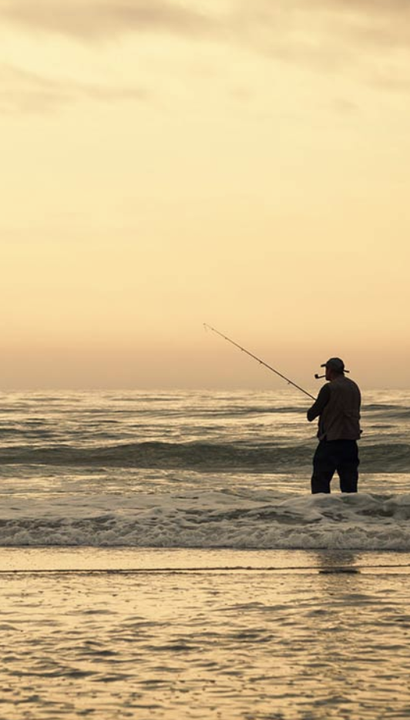
Rain or shine, Florida City's waters beckon for epic water sports adventures!

Tarpon on the line in Florida's partly cloudy skies!

Partly cloudy with a chance of epic water sports action in Florida City!

Partly cloudy skies set the stage for epic water sports adventures in Florida City!

Clear skies and afternoon showers set the stage for prime fishing in Florida City!
Braving the rain for the best fishing Florida City has to offer!
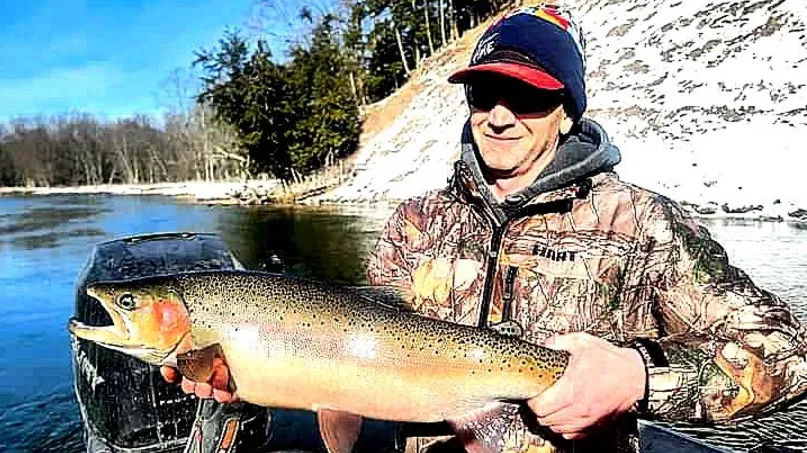
A single rainbow trout caught while fishing in Florida City
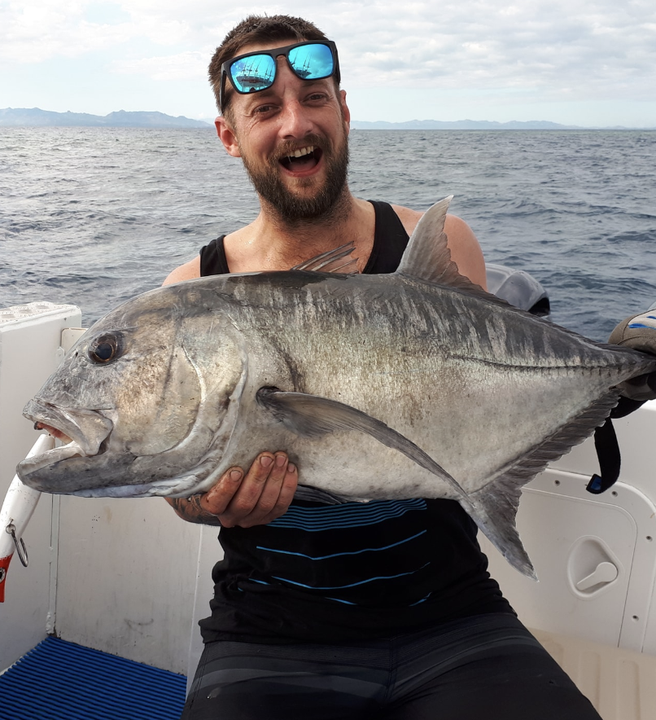
Reeling in a big catch on a cloudy day in Florida City!
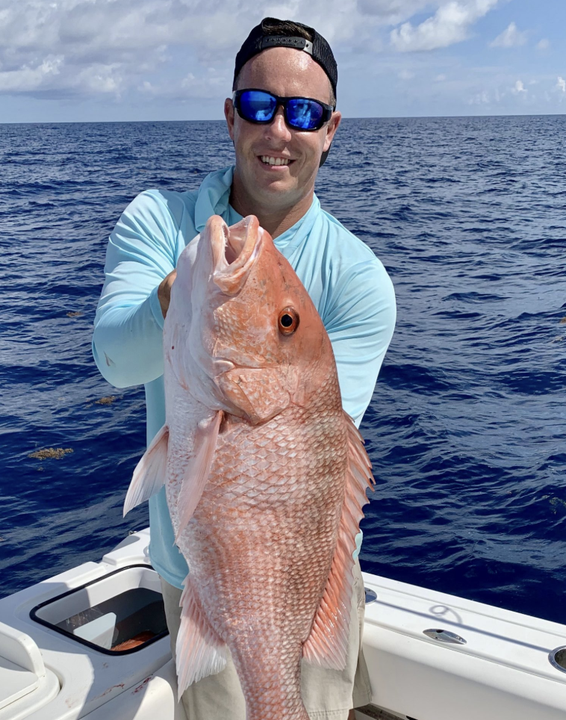
Reeling in a big Red Snapper under partly cloudy skies!

Braving the rain for the best fishing adventure in Florida!
Rain or shine, Florida City's waters beckon for epic water sports adventures!
Tarpon on the line in Florida's partly cloudy skies!
Partly cloudy with a chance of epic water sports action in Florida City!
Partly cloudy skies set the stage for epic water sports adventures in Florida City!
Clear skies and afternoon showers set the stage for prime fishing in Florida City!
Braving the rain for the best fishing Florida City has to offer!
A single rainbow trout caught while fishing in Florida City
Reeling in a big catch on a cloudy day in Florida City!
Reeling in a big Red Snapper under partly cloudy skies!
Braving the rain for the best fishing adventure in Florida!
Rain or shine, Florida City's waters beckon for epic water sports adventures!
Tarpon on the line in Florida's partly cloudy skies!
Partly cloudy with a chance of epic water sports action in Florida City!
Partly cloudy skies set the stage for epic water sports adventures in Florida City!

Ski Biking: Shred Powder in a Whole New Way
Get ready to twist up your winter adventure with ski biking! This wild mashup of skiing and biking is taking snow sports by storm. Marshal Fishing Company's bringing the goods with their "Good Fishing Shared" trip that's anything but your average day on the slopes. Strap in for a ride that'll have you grinning from ear to ear and wondering why you didn't try this sooner.
The Lowdown on Ski Biking
Picture this: you're perched on what looks like a BMX bike, but instead of wheels, you've got skis. Yep, that's a ski bike. It's like someone took your favorite mountain bike, winterized it, and said, "Go nuts on the snow." This trip is perfect for solo riders looking to mix things up. No experience? No worries. You'll be carving turns in no time. The best part? It's way easier on the knees than traditional skiing, so you can shred all day without the usual aches and pains.
Hitting the Slopes, Bike-Style
Forget what you know about biking or skiing – ski biking is its own beast. You'll start with the basics: mounting your steed (it's trickier than it looks), finding your balance, and learning to steer with your body weight. Once you've got the hang of it, it's time to tackle the runs. You'll use mini skis on your feet for extra control, but the real magic happens when you lean into turns, letting the bike's frame do the work. It's all about fluid movements and working with gravity, not against it. By the end of the day, you'll be zooming down the mountain, catching air, and maybe even trying a trick or two.
Why Riders Can't Get Enough
Ski biking isn't just a novelty – it's addictive. The learning curve is way gentler than traditional skiing or snowboarding, meaning you'll be having a blast from the get-go. Plus, it's a total body workout without feeling like one. You'll work your core, legs, and arms, all while grinning like a kid on Christmas morning. And let's be real, there's something pretty cool about being one of the few people on the mountain with a ski bike between your legs. Get ready for some curious looks and plenty of "Whoa, what is that?" from the chairlift.
Critters You Might Spot
While you're focused on not wiping out, keep an eye out for some of the local wildlife. The Alaska Marmot might pop its head up to check out the commotion. These chubby ground squirrels are basically the comedians of the mountain, whistling to their buddies and sunbathing on rocks. Winter's not their favorite, so if you spot one, count yourself lucky.
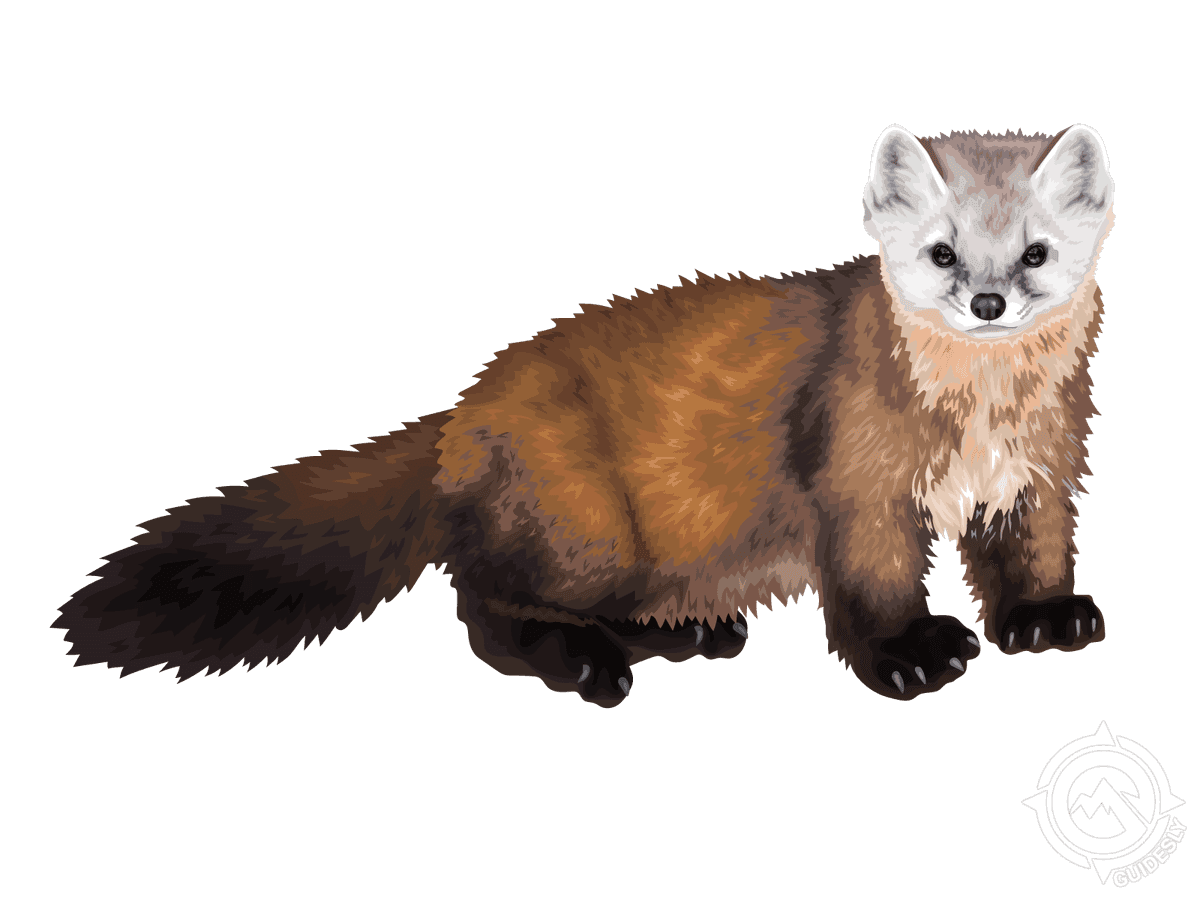
The American Marten is another sneaky local. These tree-dwelling members of the weasel family are quick and curious. They're most active at dawn and dusk, so early birds and sunset riders might catch a glimpse of them darting between trees.
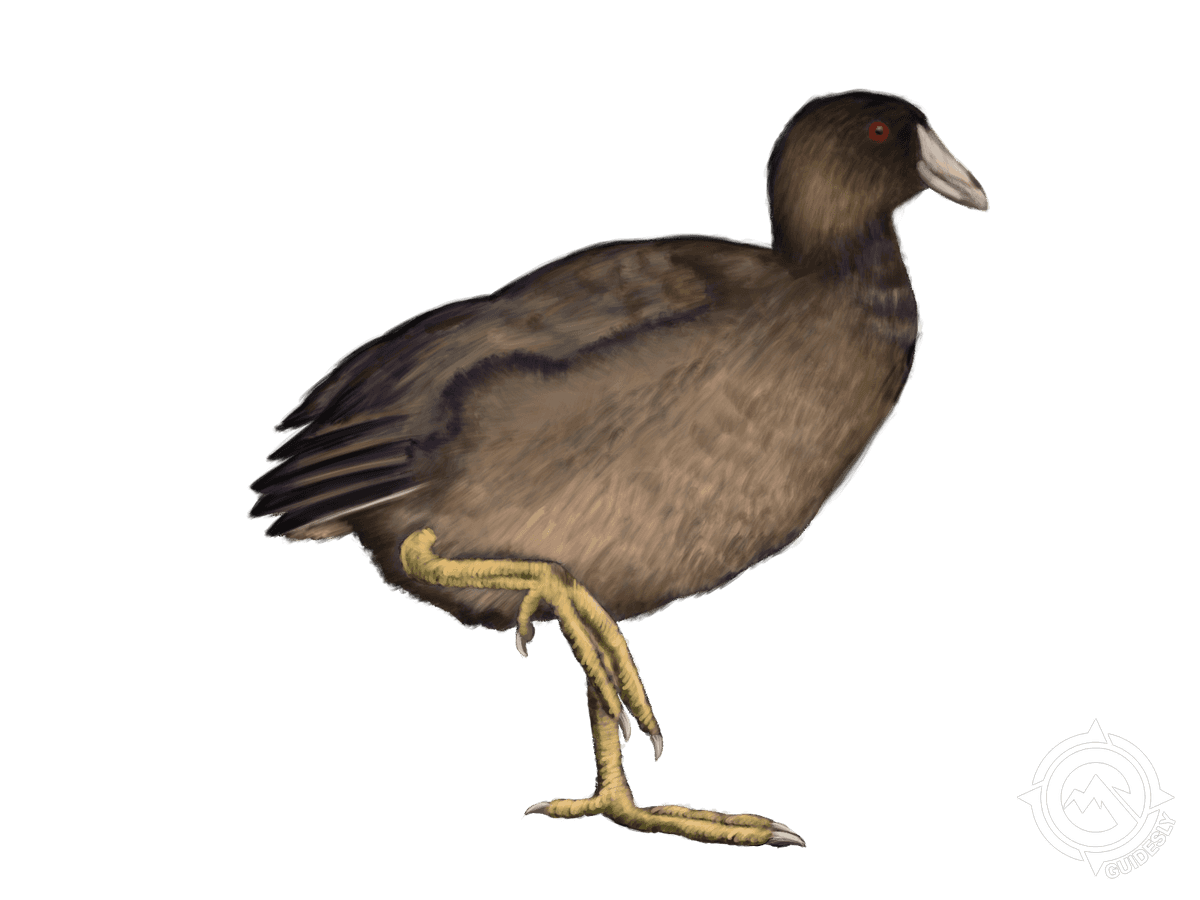
Now, the American Coot might seem out of place on a ski trip, but these quirky water birds sometimes hang out near mountain lakes and streams. They're not the prettiest birds around (some folks call 'em "mud hens"), but they've got personality to spare. If you're near water, listen for their distinctive croaking calls.
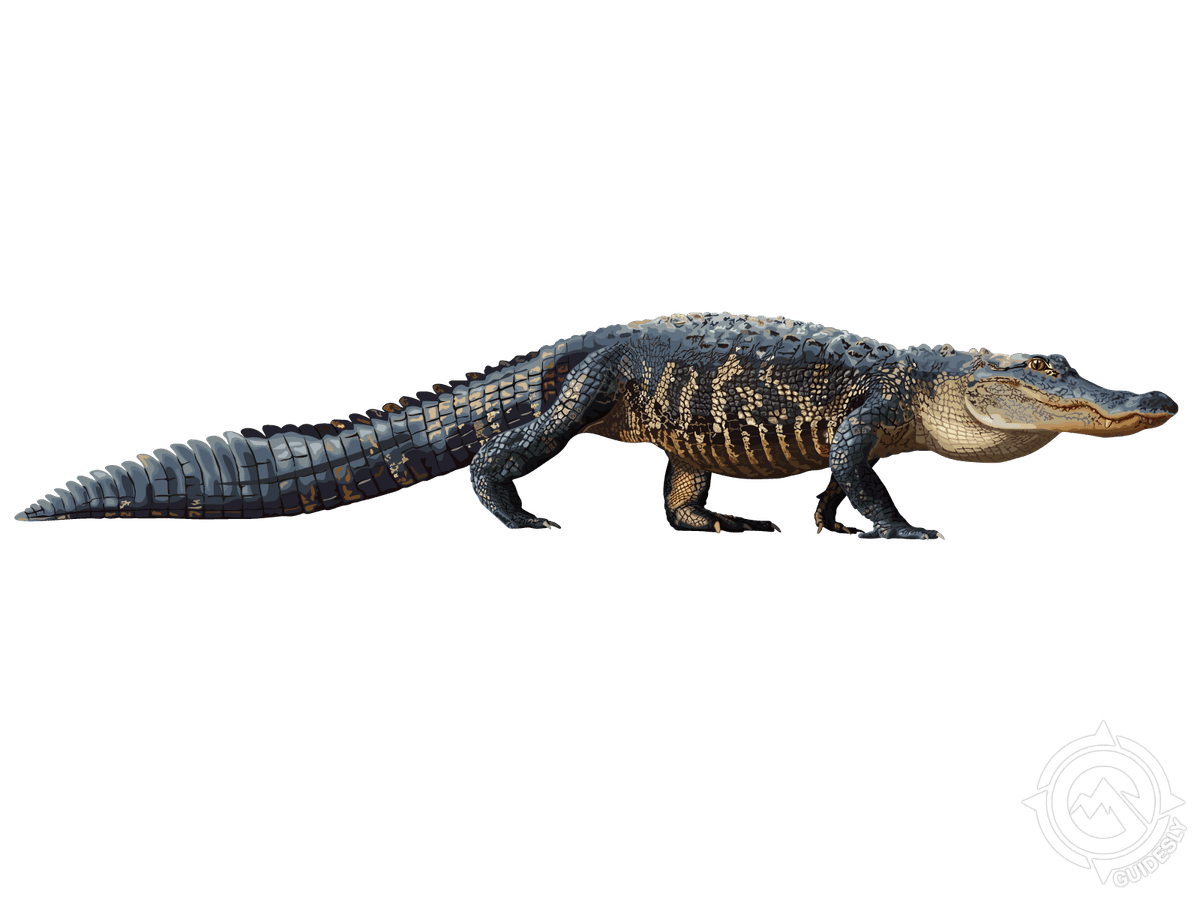
Okay, let's address the alligator in the room – or rather, the lack thereof. The American Alligator is definitely not something you'll see on this trip unless you're hallucinating from too much mountain air. These guys are strictly warm-weather creatures, so no worries about dodging gators on your ski bike.
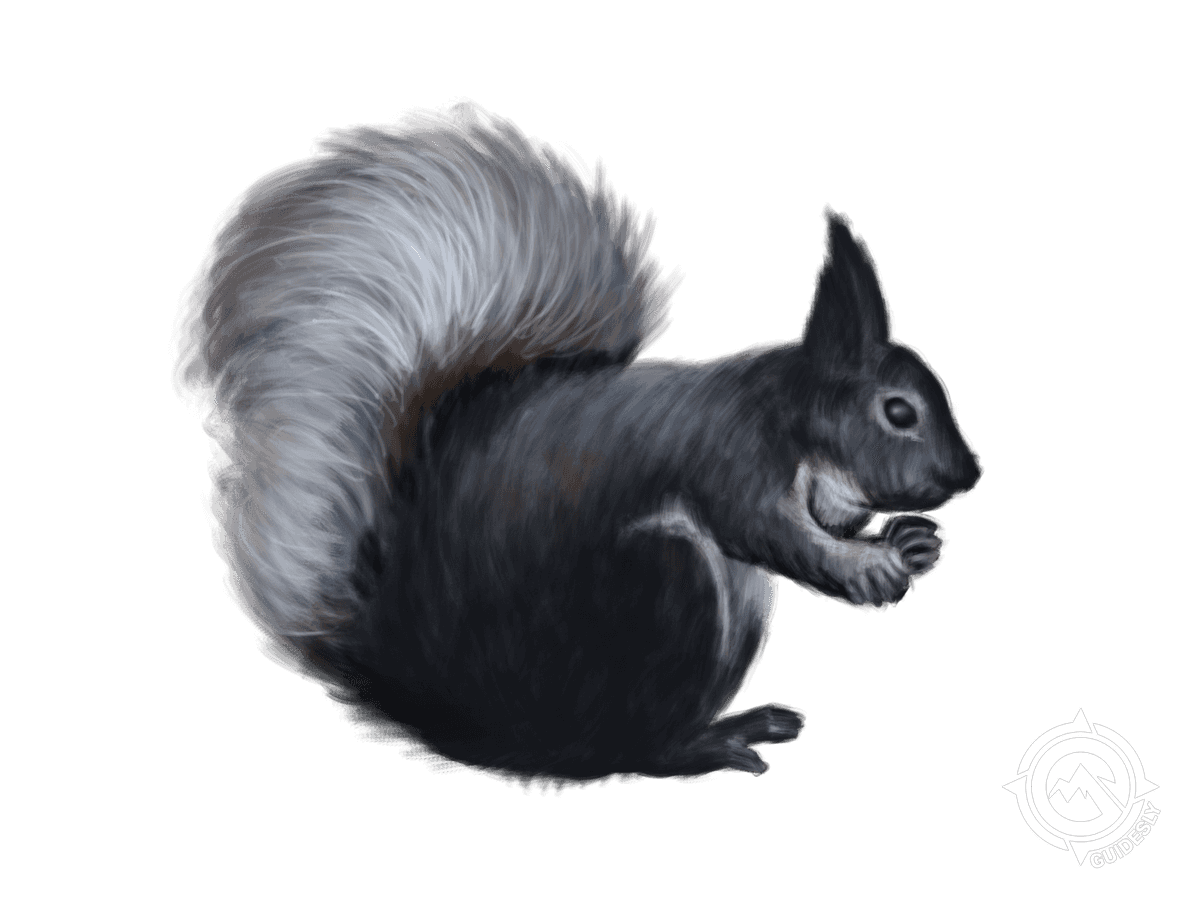
Last but not least, keep your eyes peeled for Abert's Squirrel. These tufty-eared cuties are pine forest specialists, so they're right at home on the mountain. They're not just any old squirrel – they've got those distinctive ear tufts that make them look perpetually surprised. Maybe they're just shocked at how awesome you look on that ski bike.
Time to Book Your Ride
Look, we could go on all day about how rad ski biking is, but nothing beats trying it for yourself. Marshal Fishing Company's "Good Fishing Shared" trip is your ticket to a day of laughs, thrills, and maybe a few spills (the good kind). It's perfect for solo adventurers looking to shake up their winter routine. Whether you're a seasoned powder hound or a total newbie to snow sports, ski biking is a game-changer. So what are you waiting for? Grab your spot, bundle up, and get ready to redefine your idea of winter fun. Trust us, your Instagram feed (and your adrenaline junkie soul) will thank you. Book now and prepare for a day that'll have you saying, "Fishing? What fishing? I'm here for the ski bikes!"
Learn more about the species
Abert's Squirrel
Abert's squirrels are unique forest dwellers, about the size of your average tree squirrel but with distinctive tufted ears. You'll spot these guys hanging out in ponderosa pine forests, where they make their homes and find most of their food. They're pretty active year-round, but fall's when they really kick into high gear, gathering pine cones and building up their winter stashes. These squirrels are a hit with wildlife watchers because of their striking looks and entertaining antics. They're not shy, so you've got a good chance of seeing them scampering around tree trunks or leaping between branches. Best time to catch sight of them is early morning or late afternoon when they're out foraging. If you're keen on getting some great photos, bring a zoom lens. Abert's squirrels can be curious but they're still wild, so they might not stick around if you get too close. A local tip: look for trees with stripped bark or piles of pine cone scales on the ground – that's a sure sign these little guys have been busy nearby. Keep your eyes peeled and your camera ready, and you might just snap that perfect squirrel shot.
Alaska Marmot
The Alaska marmot isn't your typical fishing target, but it's a fascinating critter to spot on our alpine treks. These chunky rodents, about the size of a large house cat, are found in rocky areas above the treeline. They're most active during summer days, sunning themselves on boulders or foraging for plants. While we can't fish for them, watching marmots is a highlight for many guests. They're pretty entertaining - whistling loudly to warn their colony of danger and doing these funny little headstands. Fall's the best time to see them fattening up before winter hibernation. If you want a good look, bring binoculars and scan talus slopes early in the morning. Marmots are wary, so move slowly and keep voices down. Listen for their distinctive whistle - it often gives away their location before you spot one. These furry mountaineers are perfectly adapted to harsh alpine conditions. Their thick coat and ability to lower their body temperature help them survive long, cold winters underground. It's always a treat when we catch glimpses of these hardy Alaskan natives going about their business in the high country.

American Alligator
American alligators are some of the most impressive predators you'll find in our local waters. These prehistoric-looking reptiles can grow up to 14 feet long and weigh over 1,000 pounds. You'll typically spot them lurking in freshwater swamps, marshes, and slow-moving rivers, often basking on banks or floating just below the surface. Spring and early summer are prime gator-watching seasons when they're most active. While we can't fish for them, seeing these massive creatures in their natural habitat is a real thrill. They're ambush predators, so keep your eyes peeled near vegetation-rich shorelines. Gators play a crucial role in our ecosystem, helping maintain fish populations and creating "gator holes" that provide habitat for other species during dry spells. Despite their fearsome reputation, they're generally shy around humans. If you want a good look, my local trick is to scan for their distinctive eyes and snout breaking the water's surface, especially at dawn or dusk. Just remember to keep a safe distance – we're visitors in their territory, after all. Watching these living dinosaurs is a unique experience that really brings home the wild nature of our local waterways.
American Coot
American Coots are fascinating birds you'll often spot around our local waters. These duck-like creatures, about the size of a small chicken, have a distinctive white bill and lobed feet that set them apart. You'll typically find them in shallow freshwater areas like ponds, lakes, and slow-moving rivers, especially where there's plenty of aquatic vegetation. While not traditionally thought of as a target species for anglers, coots can add an interesting twist to your fishing experience. They're most active during spring and fall migrations, but you can spot them year-round in many areas. Watching their behavior can actually help you locate fish – coots often feed in areas where small fish are abundant. Folks enjoy observing these quirky birds while waiting for a bite. They're excellent swimmers and divers, and their antics can provide great entertainment. If you're into wildlife photography, coots make for some great shots with their unique features and behaviors. Here's a local tip: if you're fishing near coots, try using small, flashy lures. The fish that coots feed on are often attracted to similar things, so you might just increase your chances of landing a nice catch while enjoying the show these interesting birds put on.
American Marten
The American marten isn't a fish, but a small forest-dwelling mammal related to weasels. These elusive critters are about the size of a house cat, with thick brown fur and a bushy tail. You'll find them in mature coniferous and mixed forests, where they're agile tree-climbers and ground hunters. Martens are most active at dawn and dusk, feeding on small mammals, birds, insects, and berries. While not a target for fishing, spotting a marten is a rare treat for wildlife enthusiasts. They're more common in colder months when their tracks are visible in the snow. Look for their distinctive bounding gait pattern and listen for their high-pitched calls. Martens play a crucial role in forest ecosystems, helping to control rodent populations. They're also indicators of healthy, old-growth forests. If you're hoping to catch a glimpse, your best bet is to move quietly through the woods and keep an eye on tree branches and downed logs. A good pair of binoculars can help, as these shy animals often keep their distance from humans. Remember, while we can't fish for martens, appreciating the diversity of wildlife in our forests adds depth to any outdoor experience.